Peptide Screening: Hplc & Mass Specification Purity Overview Peak
Air Conditioner Peptide Testing Laboratories Third-party Peptide Analysis
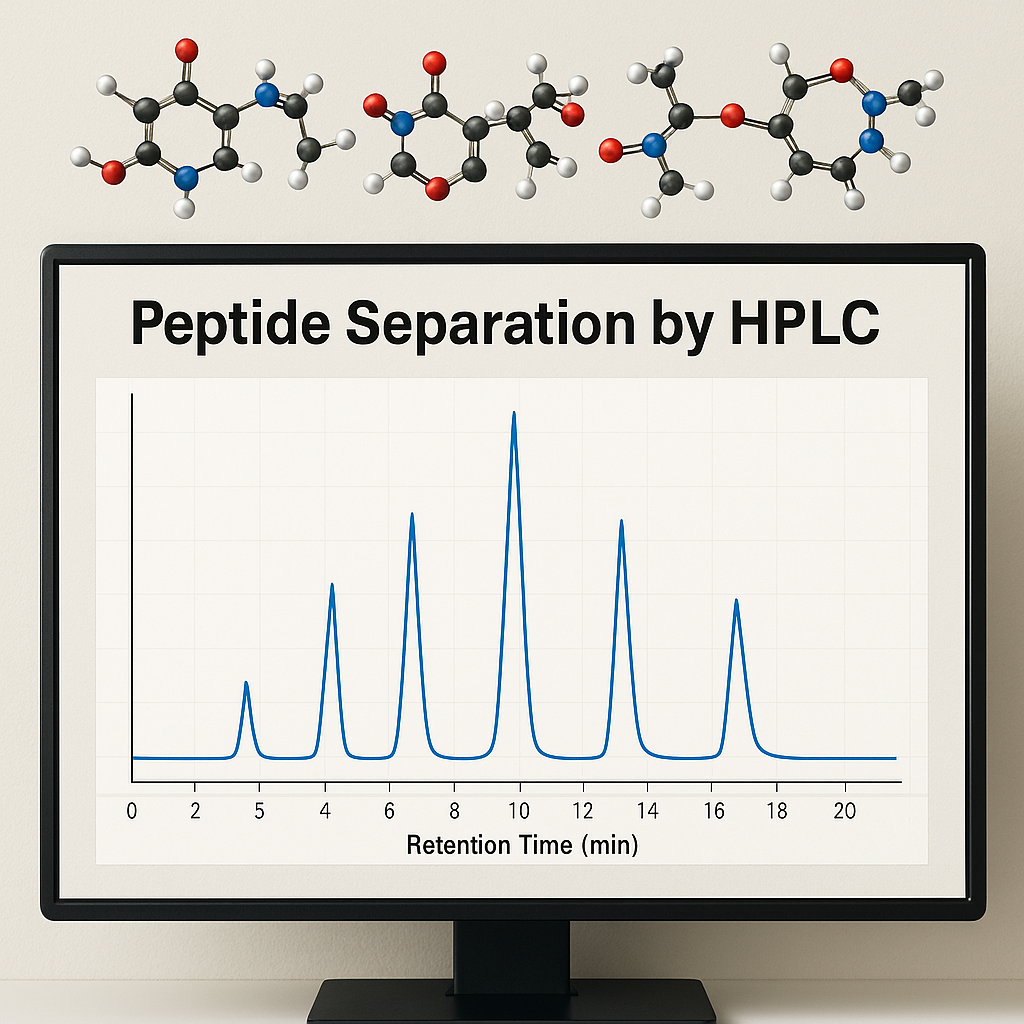
Choosing the ideal outside research laboratory for peptide screening includes examining several elements. A relied on laboratory ought to have verifiable experience in peptide chemistry analysis-- for example, PhD-level chemists or biochemists on team that understand peptides' synthesis and deterioration pathways. Certification by relevant bodies (such as ISO/IEC or certification for GLP/GMP conformity) is a strong indication of high quality.
Preserving a high degree of purity is critical since contaminations can impact bioassays or responses. For instance, abbreviated peptides or chemically modified side-products might bind to targets or generate negative effects that dumbfound your outcomes. Specifically modified peptides or cyclic peptide series are tough to verify, which affects quality assurance. We incorporate LC-MS/MS and chemical food digestion evaluation to exactly validate the sequence and alteration websites of non-natural customized peptides. Residual natural solvents, steel ions, or byproducts from synthesis may trigger toxic side effects.
Bonus Offer Elements (marks Of A Quality Distributor)
Substances
These alterations alter the peptide's organic activity and chromatographic account. Peptides are sensitive to temperature, light, and enzymatic environments, making them prone to deterioration, which impacts efficiency. BOC Sciences gives increased security, light security, and chemical degradation experiments to systematically analyze formulation stability risks.Other strategies like electrophoresis, capillary electrophoresis (CE), and nuclear magnetic resonance (NMR) can additionally be made use of to examine peptide structure, charge, and pureness, ensuring extensive characterization. In COA evaluation, it normally consists of HPLC purity screening, mass spectrometry identification confirmation, and batch-specific paperwork showing the checked great deal, method, results, and date. For peptide purity screening, reverse-phase HPLC is the conventional conceptual version. The chromatographic purity is then computed by comparing the location under the primary height with the overall location under all incorporated tops.
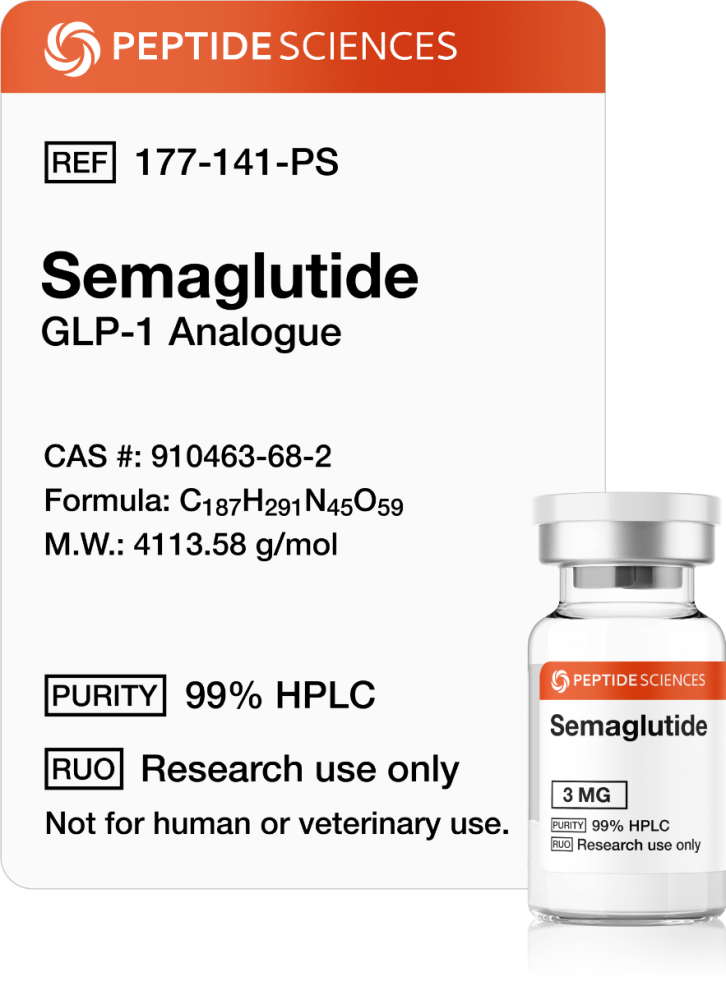
It is an area-percent pureness measurement, not a complete identification or task test. Importantly, pureness percentages describe chemical composition only-- they do not indicate sterility or biological suitability. Peptides from Maxed Out Compounds are supplied specifically for laboratory research study usage and are not intended for human or veterinary objectives. Peptide pureness is usually expressed as a percent, such as 95% or 98%. This figure stands for just how much of the example is made up of the preferred peptide sequence. For the majority of lab applications, a pureness of 95% or higher is thought about research-grade.Deamidation Items
- Additionally, mass spectrometry (MS) can be utilized to confirm the peptide's molecular weight and series, supplying additional confirmation of purity by finding impurities and deterioration items.
- Knowledge of pureness levels will certainly likewise guide you if you ever before need a greater purity peptide for a particularly sensitive assay.
- The bottom line is not to confuse pureness (HPLC percent of the main peptide vs contaminations) with overall material.
- It helps stay clear of compliance concerns such as fallen short audits or item recalls because of top quality problems.
- Mass spectrometry verifies molecular identification by examining whether the measured mass matches the expected peptide mass.